
Published on September 12, 2026
How to Revoke a Power of Attorney: Consequences and What to Watch Out For

How to Revoke a Power of Attorney: Consequences and What to Watch Out For
You can always unilaterally terminate a power of attorney you've given to a lawyer, accountant, or anyone else. This is legally known as "revocation." But there are important points to watch when it comes to when revocation takes effect, what rights the agent retains, and how revocation should be carried out.
What Is Revocation of a Power of Attorney?
Under Article 512 of the Turkish Code of Obligations, the principal may terminate a power of attorney unilaterally at any time; this right cannot be waived in advance by contract. Revocation takes effect through a unilateral declaration addressed to the agent.
How Is Revocation Carried Out?
- Through a notarized revocation deed: The safest and easiest method to prove.
- In attorney-client relationships: If there's an ongoing case, the revocation must also be notified to the relevant court; otherwise the lawyer may continue acting in the file.
- For powers of attorney used at the Land Registry: It's advisable to notify both the notary that issued the power of attorney and, where possible, the relevant Land Registry office.
When Does Revocation Take Effect?
As a rule, revocation takes effect the moment it reaches the agent. However, to be enforceable against third parties acting in good faith, it's important that the revocation be announced or notified to the relevant institutions (court, Land Registry, etc.) — otherwise, third parties who deal in good faith with the revoked agent may still be protected.
What Rights Does a Revoked Agent Retain?
Revocation does not eliminate the agent's right to fees and expenses for work already performed. In attorney-client relationships, if the revocation is made without just cause and without fault on the lawyer's part, the lawyer may be entitled to claim the full fee agreed in the contract.
What Should You Watch Out For When Terminating a Power of Attorney?
- Making the revocation in a written, dated document matters for evidentiary purposes.
- If there are ongoing cases or transactions, the relevant authorities must be notified.
- If a new agent is being appointed, it should be clearly stated that the previous power of attorney is no longer valid.
Frequently Asked Questions
Can a power of attorney end without revocation?
Yes — it automatically terminates upon the agent's death, bankruptcy, incapacity, or when the purpose of the power of attorney ceases to exist.
Can revocation be done verbally?
While legally possible, it's advisable to revoke through a notary or at least in a written, delivered document to avoid evidentiary problems.
Source: Turkish Code of Obligations No. 6098, Arts. 512-514; Attorneys' Act No. 1136, Art. 174.
This content is provided for general informational purposes only and does not constitute legal advice. We recommend consulting a lawyer about your specific situation.

This content was prepared and reviewed by the legal team at Atalya Hukuk Bürosu.
Meet Our Team →Related Articles

What Is Reconciliation (Uzlaştırma) in Criminal Cases? Which Offenses Qualify and How Does It Work?
What is reconciliation in Turkish criminal procedure, which offenses can be resolved this way, and what happens if the parties reach an agreement? We walk through the reconciliation process step by step.
Read More→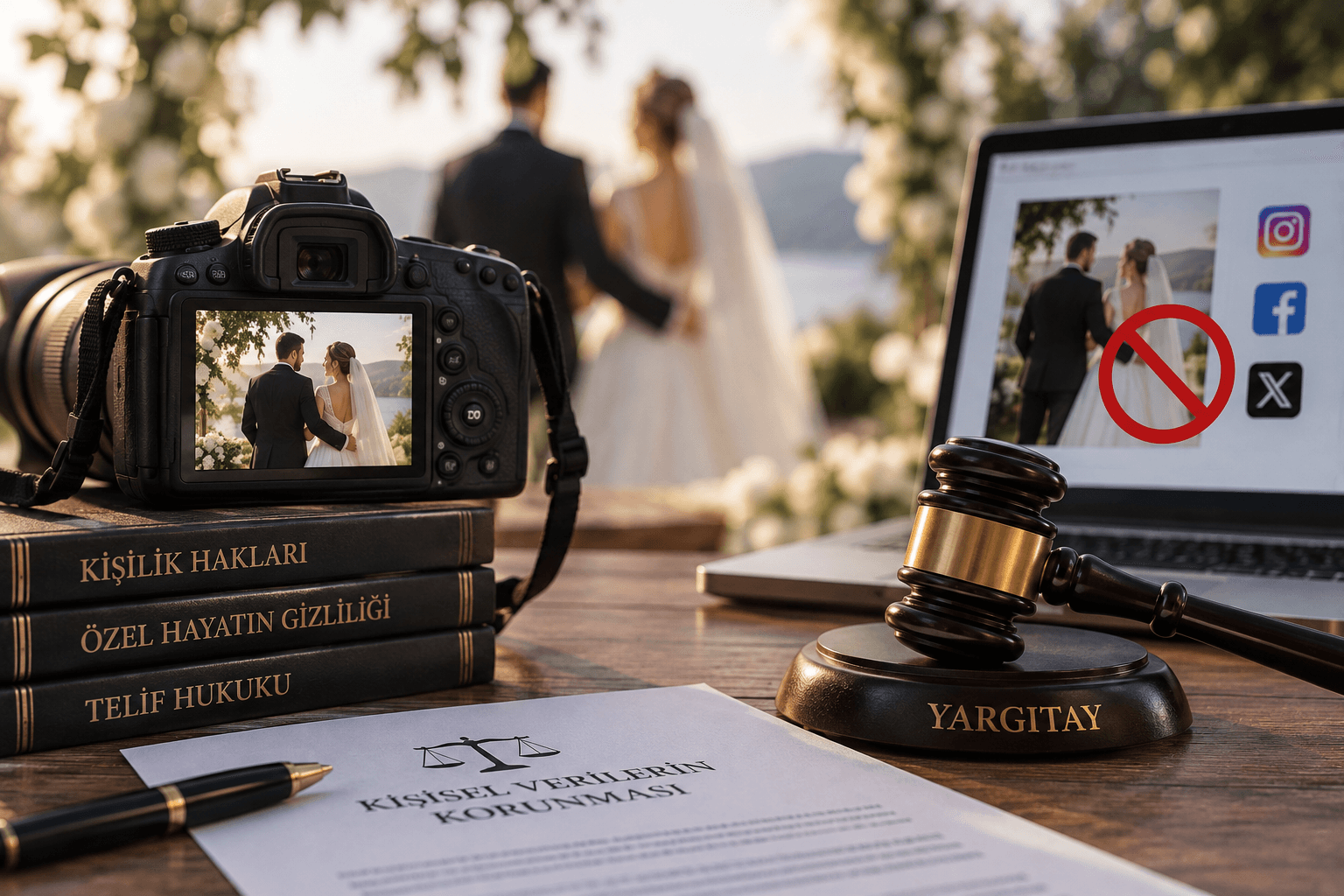
Photographer Jailed for Sharing Wedding Photos Without Consent: Landmark Court of Cassation Ruling
Turkey's Court of Cassation 12th Criminal Chamber ruled that wedding photos qualify as 'personal data,' upholding a 1-year-8-month prison sentence for a photographer who showed a couple's photos to other customers without their consent.
Read More→
How to Get a Long-Term Residence Permit in Turkey: Requirements & Process 2026
What are the requirements for a long-term residence permit in Turkey, how many years must you live there, and how does the application process work? A 2026 guide.
Read More→